홈/뉴스/2024 High Frequency Induction Heater Guide: Top 5 Models & Buying Tips
2024 High Frequency Induction Heater Guide: Top 5 Models & Buying Tips
December 9, 2025
If you’re in search of a more efficient and precise heating solution for metalworking, jewelry making, or industrial heat treatment, a high-frequency induction heater is likely the answer. Leveraging advanced electromagnetic induction technology, these devices can rapidly and safely heat metal materials from within, delivering significant improvements whether in a professional workshop or a personal studio. This 2024 guide aims to clarify your options and help you find the perfect fit for your needs.
Main Content
How Does High-Frequency Induction Heating Technology Work?
Simply put, a high-frequency induction heater acts as an "invisible heat source." It generates heat directly inside metal workpieces through an alternating magnetic field, enabling rapid, inside-out temperature rise. The key advantages of this technology include precise control, ultra-fast heating, and flameless operation, which ensures a safer working environment. Whether for induction brazing, quenching, or annealing, it offers unmatched efficiency and consistency compared to traditional methods.
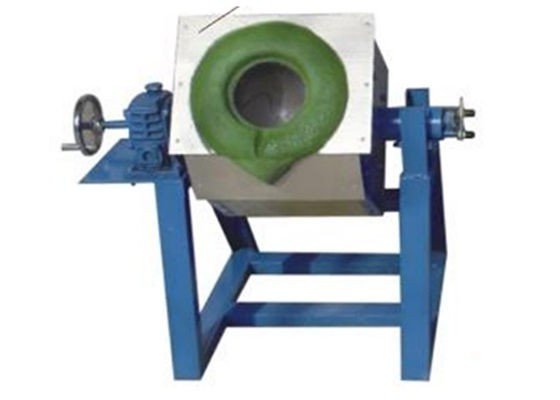
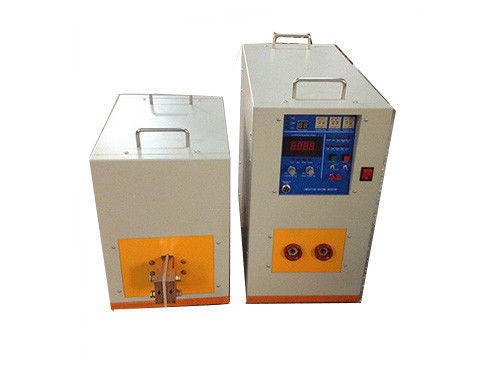
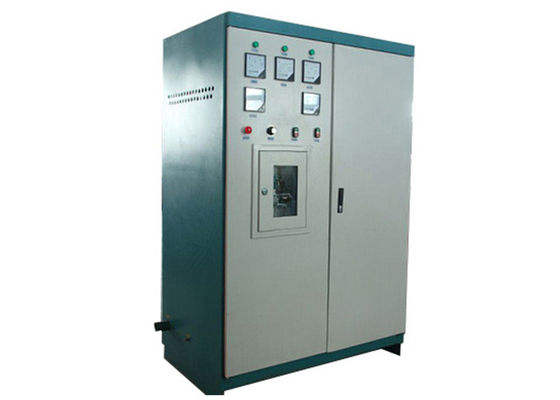
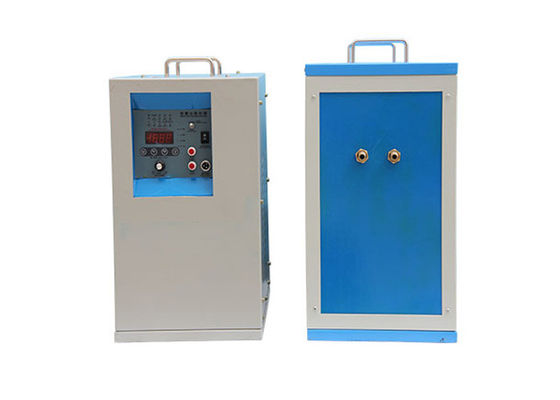
Top 5 High-Frequency Induction Heaters to Watch in 2024
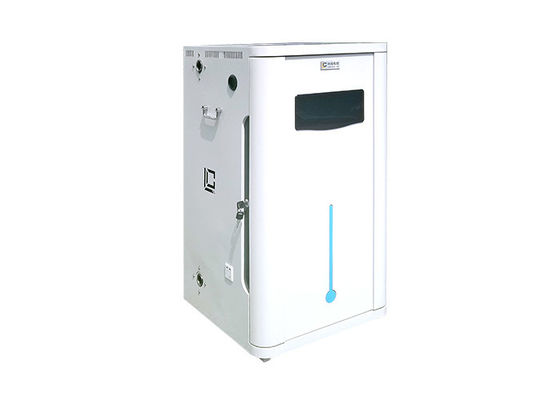
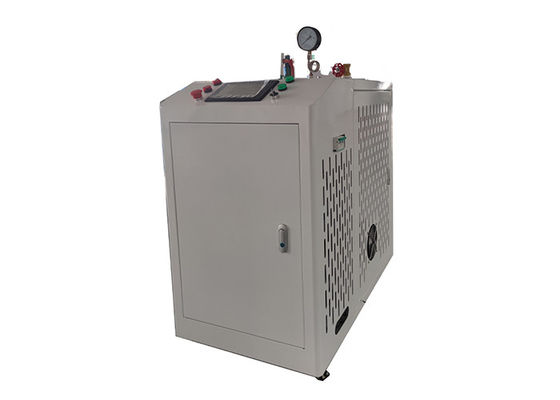
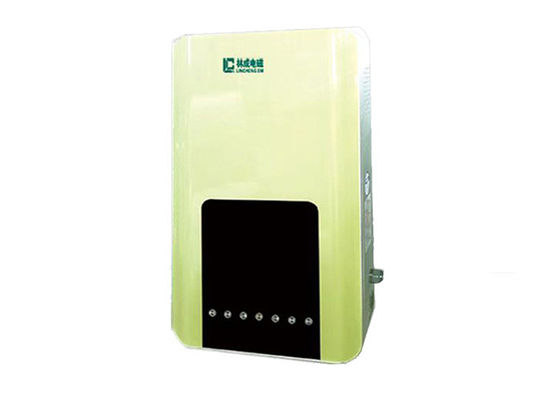
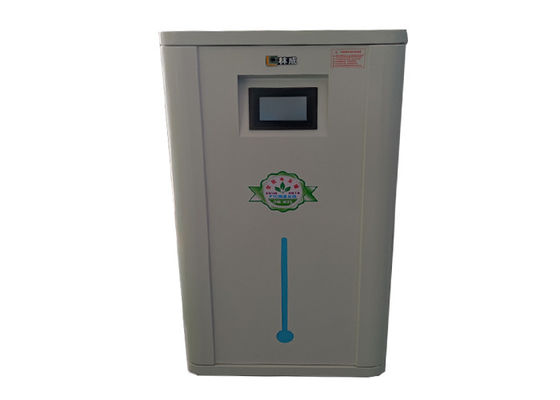
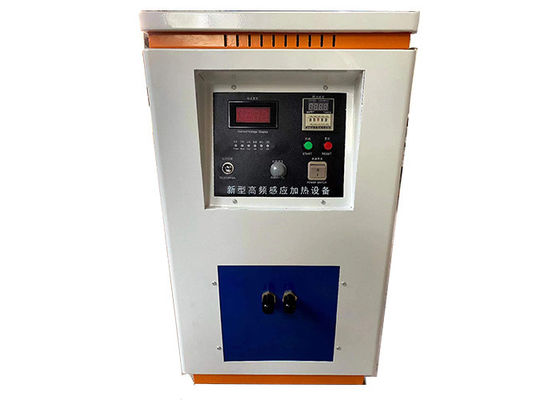
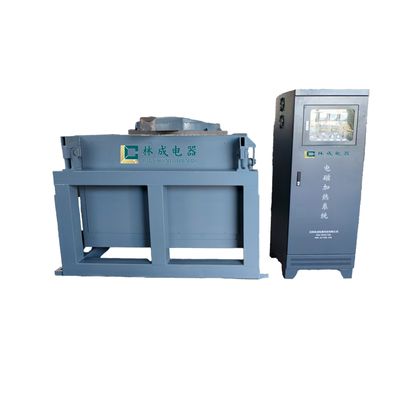
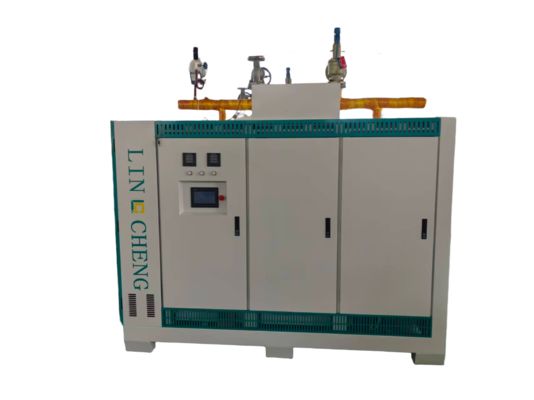
Based on market feedback and performance evaluations, the following models have stood out prominently this year. You can choose according to your specific requirements:
Are you using it for induction forging, brazing, or other precision processing? Different applications directly determine your key requirements for power and functionality.
Match the Right Power
Power rating depends on workpiece size. Generally, 5–15 kW models are sufficient for most small to medium-sized workshops. Remember, higher power isn’t always better.
Check the Duty Cycle
If you need long-term continuous operation, opt for a model with a high duty cycle (e.g., 100%), otherwise the device may trigger overheating protection frequently.
Verify Accessory Compatibility
Confirm whether the machine supports the induction coils and accessories you need. This is often overlooked but critical.
Plan Your Budget
Balance upfront cost with long-term benefits. While a quality induction heater requires a higher initial investment, its energy efficiency can be up to 50% better than traditional methods, saving money in the long run.
Important Reminder: Don’t blindly pursue high power. Using an oversized machine for small workpieces not only reduces efficiency but may also damage materials due to overly rapid heating.
Core Features & Usage Tips
When selecting a heater, prioritize automatic frequency tracking, precision temperature control, and comprehensive safety protection functions. Proper installation is also essential: ensure good ventilation and prepare a dedicated independent circuit (e.g., a 10 kW machine typically requires a stable 240V power supply). When first starting out, practice with scrap materials to master heating times and the optimal angle/distance for coil placement—these details directly impact final results.
Conclusion
Choosing the right high-frequency induction heater hinges on defining your usage scenario, accurately assessing power needs, and focusing on key features. We hope the model comparisons and buying steps in this guide provide tangible help. Investing in a suitable device not only boosts work efficiency and process quality but also optimizes energy consumption. Ultimately, it becomes a highly efficient and reliable "thermal assistant" for your workspace.
Frequently Asked Questions
Q1: Is this equipment safe to use?
A: When operated correctly, it is very safe. The induction coil itself does not get excessively hot, but the heated workpiece will reach extremely high temperatures—always wear protective gloves and goggles.
Q2: Can it heat non-metallic materials?
A: No. The principle of induction heating limits it to conductive materials like metals.
Q3: What advantages does it have over traditional blowtorches?
A: It offers faster heating, lower energy consumption, more precise control over heating location and temperature, a clean and pollution-free process, and far better repeatability.
Q4: How long can a machine last?
A: A high-quality model can last 10–15 years or even longer with proper maintenance.